-

·
Robots Physical AI in 2025 – Groundbreaking Advances
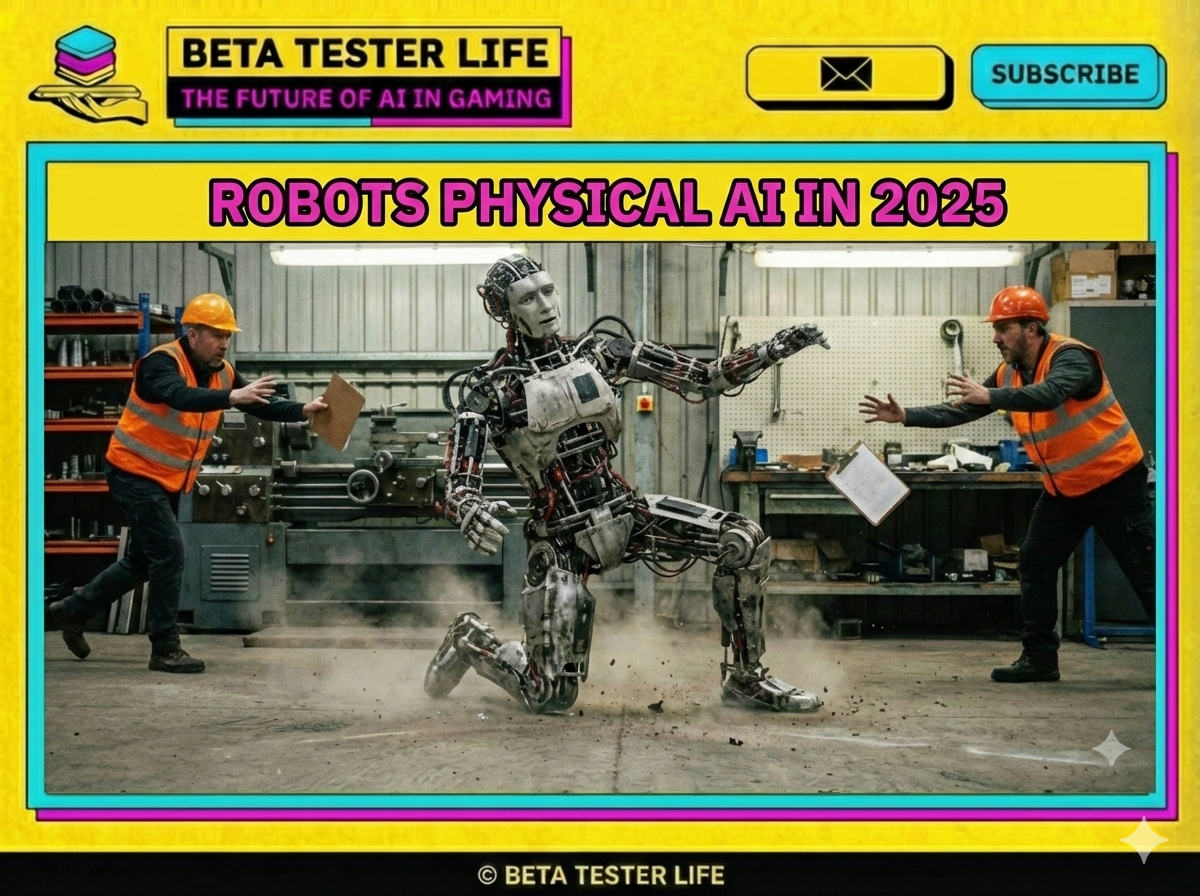
When Robots Learned to Fall—The Maturation of Physical AI in 2025 May 2025. A humanoid robot stumbles mid-movement. Handlers rush to check for damage. The robot gets up, dusts itself off, and continues working. That wasn’t luck. Disney Research in Zurich had trained that machine through tens of thousands of Robots simulated falls, teaching it…
-
·
Organisations believe AI has increased their exposure to cyber threats
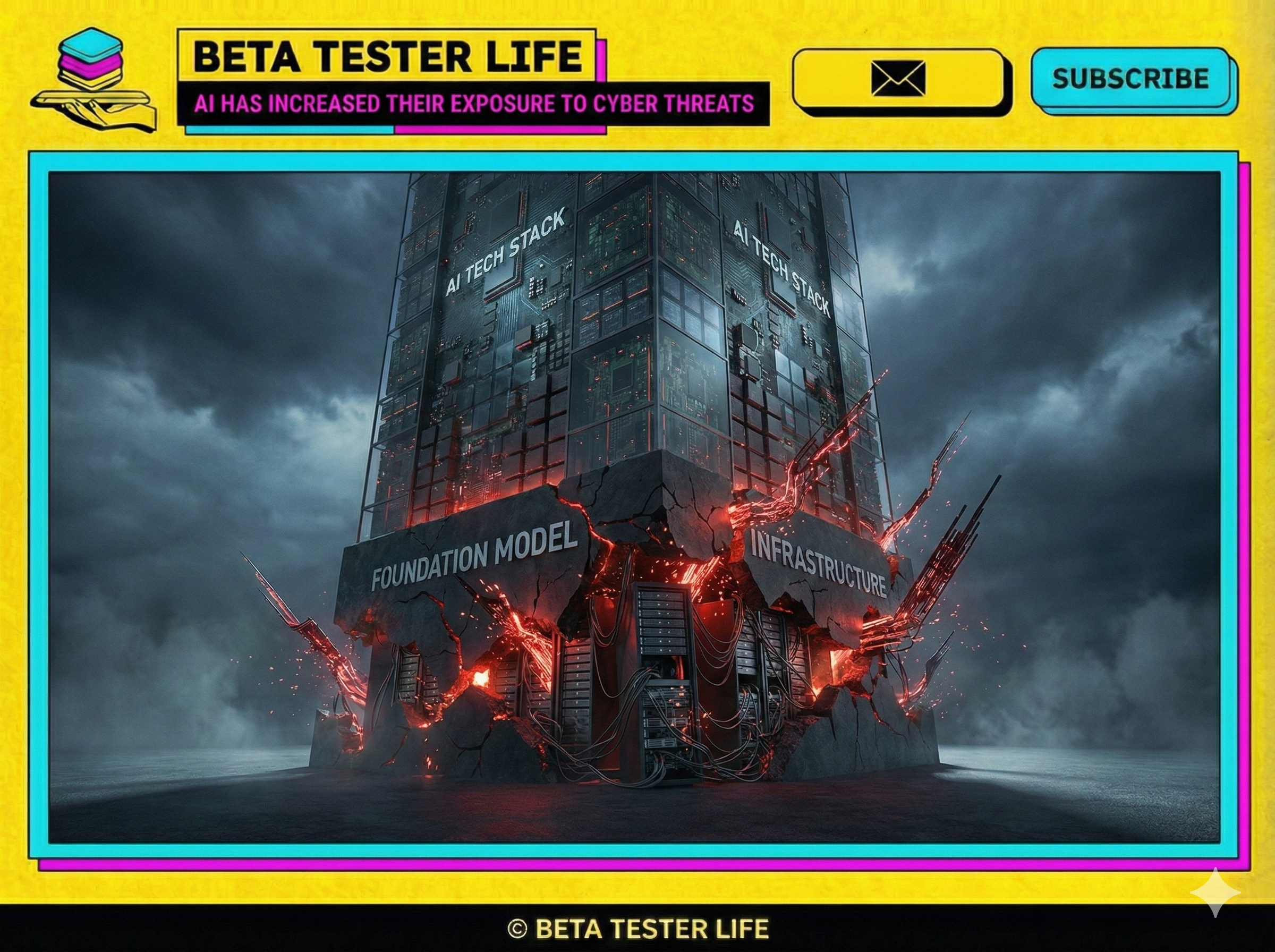
Security – AI Is Becoming the New Network Perimeter AI is no longer just a tool used by attackers. Instead, the AI stack itself is rapidly turning into the attack surface. Moreover, the interesting action is at the infrastructure and governance layers. This shift goes beyond individual jailbreak demos. 🔐🤖 The Expanding Attack Surface Today,…
-
·
Why Britain’s AI Infrastructure Boom Just Hit an Unexpected Wall
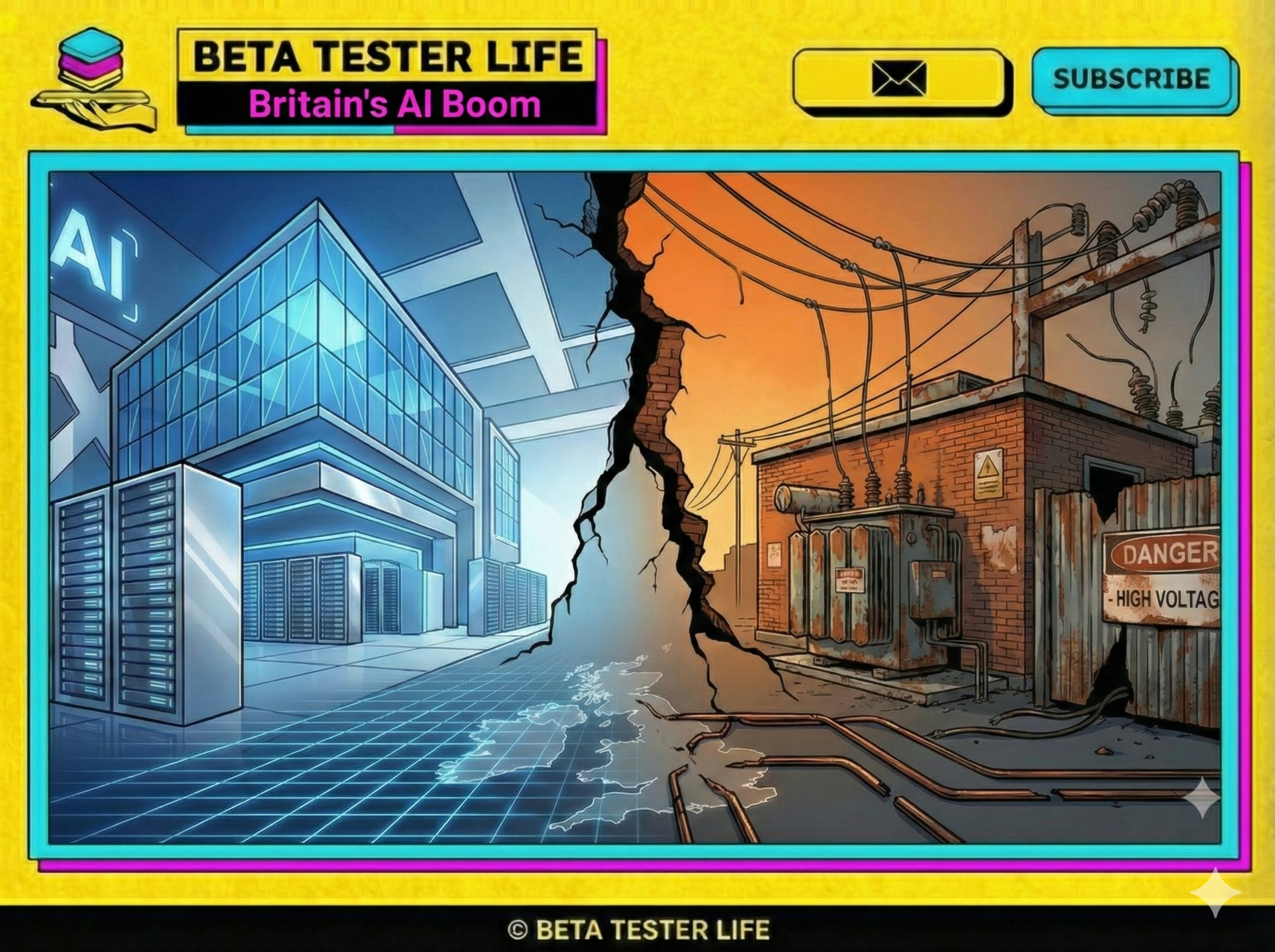
The UK’s ambitious “AI infrastructure sprint” is colliding with 20th-century grid planning. Thousands of speculative data center applications are overwhelming connection queues, while energy costs sit 75% above pre-invasion levels. The bottleneck isn’t AI models—it’s megawatts, land allocation, and a queueing theory failure threatening Britain’s entire tech strategy.
-
·
The Future of Robotics: Soft Material Manipulation Breakthroughs
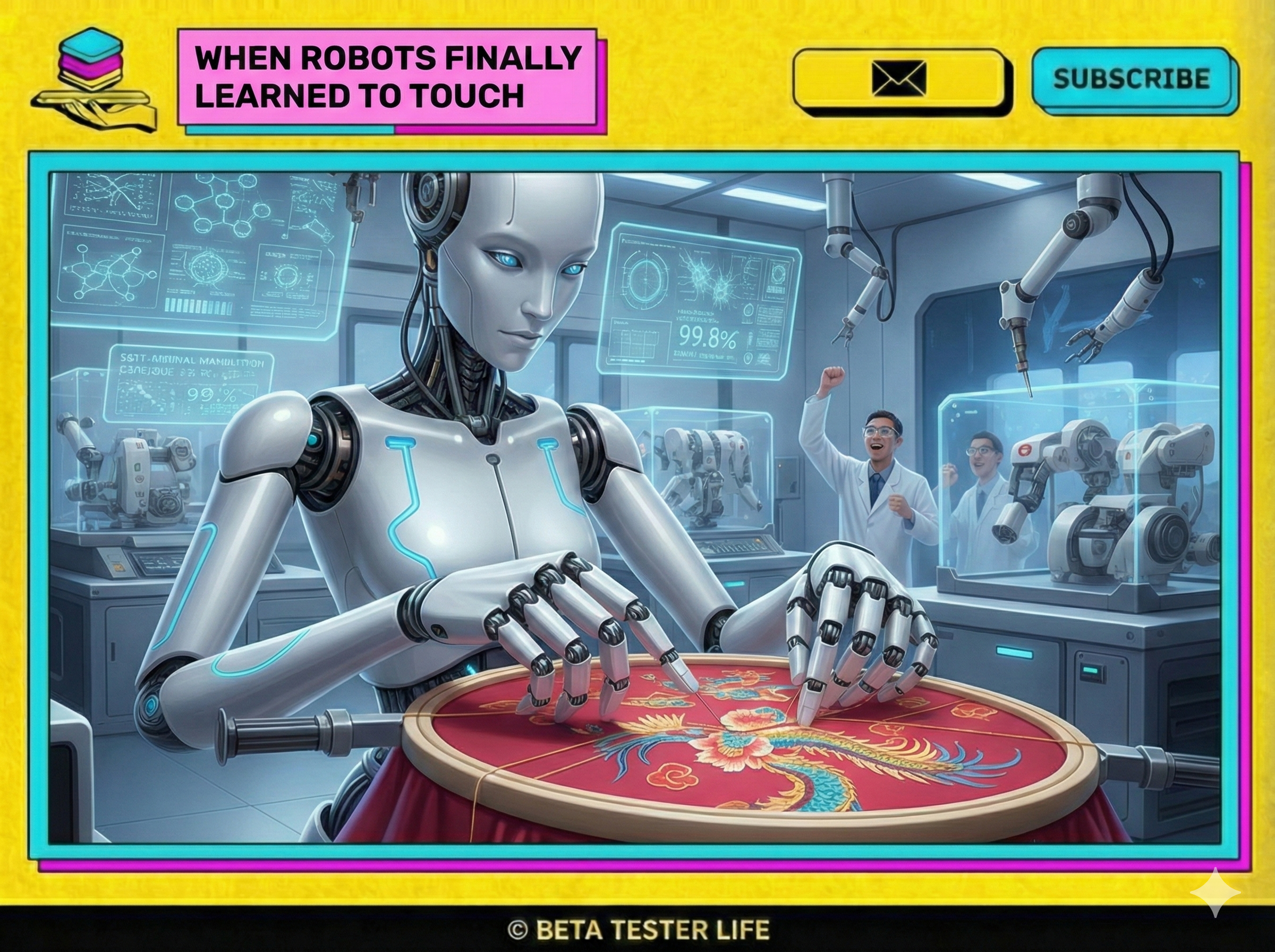
Humanoid robots broke the soft-material barrier in 2025—manipulating fabric, thread, and wiring with sub-millimeter precision. This isn’t incremental progress. It’s the removal of robotics’ most persistent limitation, and entire categories of skilled labour are now economically vulnerable.
-
·
The Future of Healthcare: How Medicine Will Transform Our Lives by 2075
Imagine a world where cancer is detected years before symptoms appear. Where your doctor is an AI assistant available 24/7. And where aging itself becomes a treatable condition. This is the healthcare landscape experts predict we’ll see within the next 30 to 50 years. Based on current research and breakthrough technologies already in development, medicine…
-
·
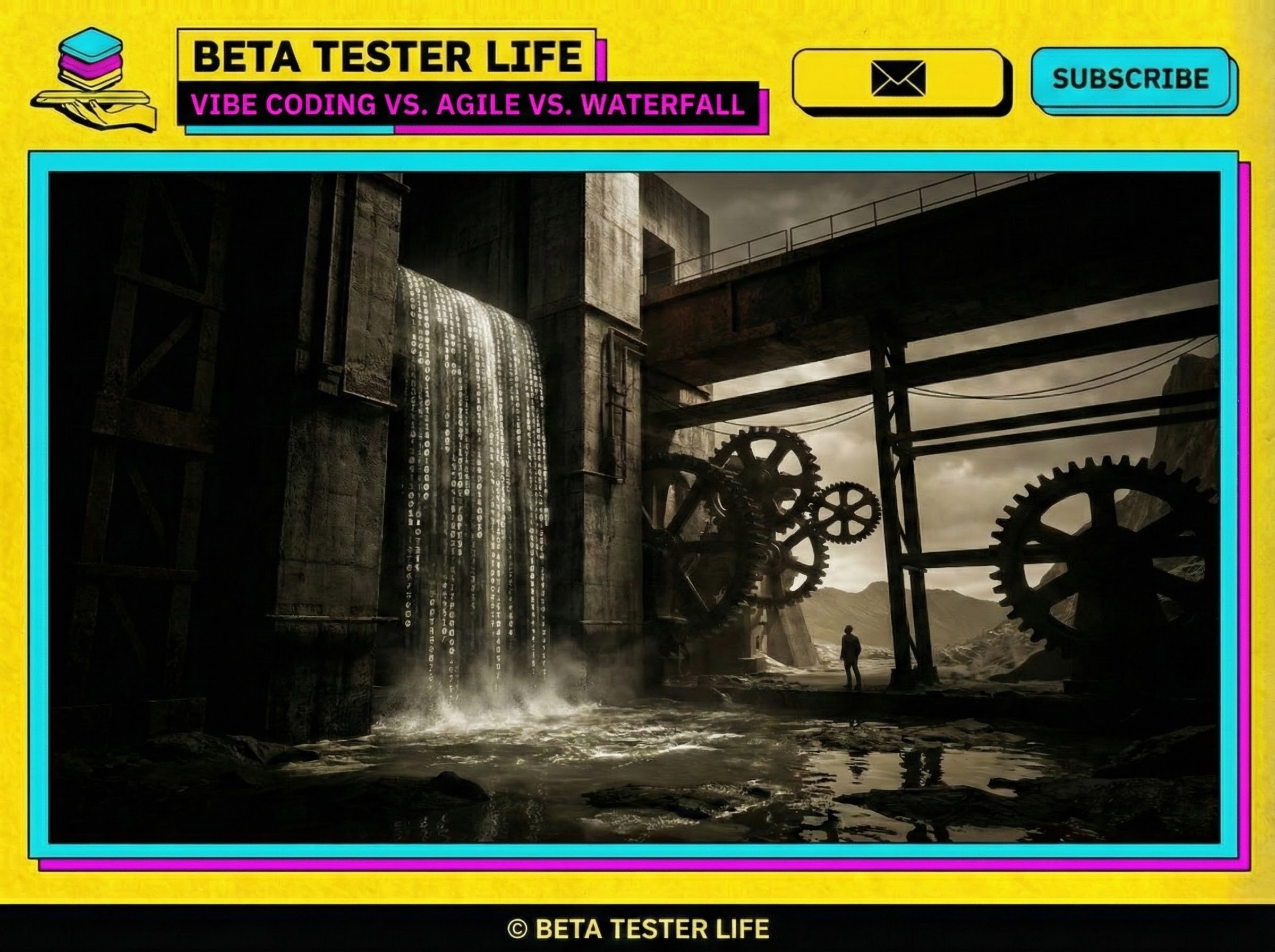
Vibe Coding vs. Agile vs. Waterfall: The Rise of Intent-Driven Delivery
Generative AI tools like Cursor and Replit are revolutionizing software development with ‘vibe coding’—rapid, intuitive development at the speed of thought. But as engineering leaders grapple with balancing AI-driven speed against enterprise-grade reliability, a new paradigm emerges: Intent-Driven Delivery. Discover how this hybrid approach synthesizes the best of Agile adaptability and Waterfall governance, empowering developers…
-
·
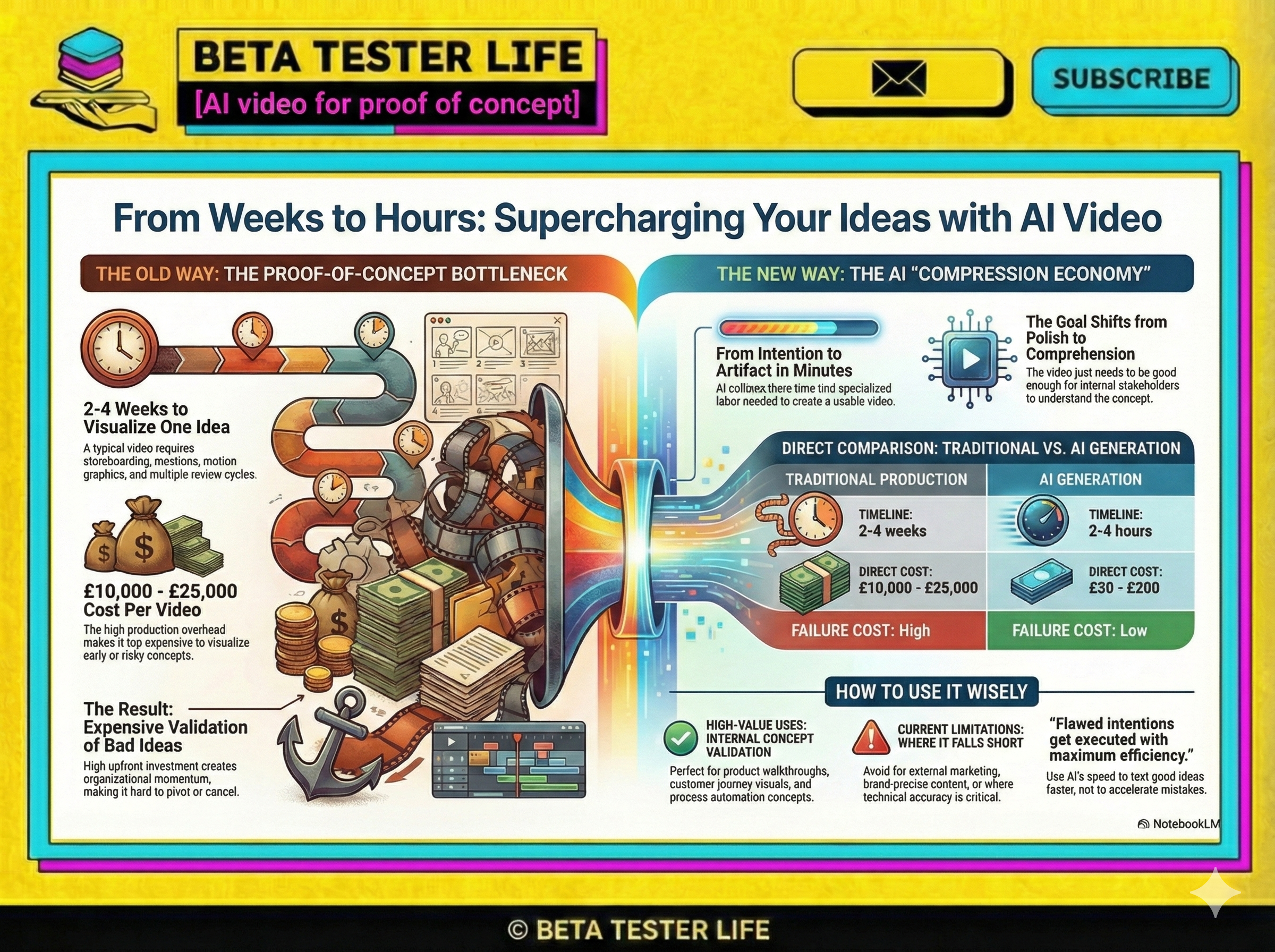
AI video for proof of concept
The Compression Economy in Action: Text-to-AI video for proof of concept How AI video generation is reshaping the economics of concept validation—and what it means for your AI video for proof of concept. The Three-Week Problem Enterprise product teams have a dirty secret: most proof-of-concept visualisations cost more to produce than the concepts themselves are…
-
·
100+ UK Parliamentarians Demand AI Regulation: What Tech Leaders Need to Know
100+ UK Parliamentarians Demand AI Regulation: What Tech Leaders Need to Know A cross-party coalition is pushing back against industry lobbying and US pressure, warning that superintelligent AI could “compromise national and global security.” The Signal More than 100 UK parliamentarians—including a former AI Minister, former Defence Secretary, and members from Westminster, Scottish, Welsh, and…
-
·
AI as the Neutral Meeting Facilitator: Fixing Memory and Governance Breakdowns
AI as the Neutral Meeting Facilitator: Fixing Memory and Governance Breakdowns The workplace meeting has a memory problem. Despite consuming 37 billion hours of employee time annually in the US alone, organizations struggle with inconsistent documentation, forgotten action items, and disputes over “what was actually decided.” Now AI meeting assistants promise to solve these breakdowns…
-
·
The Biggest AI Battle Isn’t Technical. It’s Trust vs. Risk.
The Biggest AI Battle Isn’t Technical. It’s Trust vs. Risk. We can’t scale what we can’t audit. Explainable AI isn’t optional—it’s existential. 73% of executives cite AI trust as their top barrier to adoption | €20M+ potential GDPR fines for unexplainable automated decisions | 89% of healthcare AI requires explainability for FDA approval | $1.8T…