Beta Tester Life · Ideas from the engine room
Practical thinking for work, technology and change.
Notes on AI adoption, leadership, learning, culture and the human side of making change actually work.

Written by Kevin Campbell
I’m a technology leader, writer and practitioner with more than 30 years across infrastructure, enterprise delivery, leadership and organisational change. I help people make sense of complex systems and turn strategy into practical outcomes—especially where AI adoption, operating models, culture and the realities of delivery meet.
Explore by theme
Follow the questions that matter
Different subjects, one shared concern: how people and organisations respond when the ground moves beneath them.
MORE WAYS IN
Browse by format
05
The 1% Book Shelf
Practical book notes that separate the author’s argument, the evidence and what is worth applying.
06
Field Notes
Shorter observations, working ideas and practical lessons captured while they are still useful.
Start here
Three ideas to start with
Practical essays on the human side of work, technology and change.
-

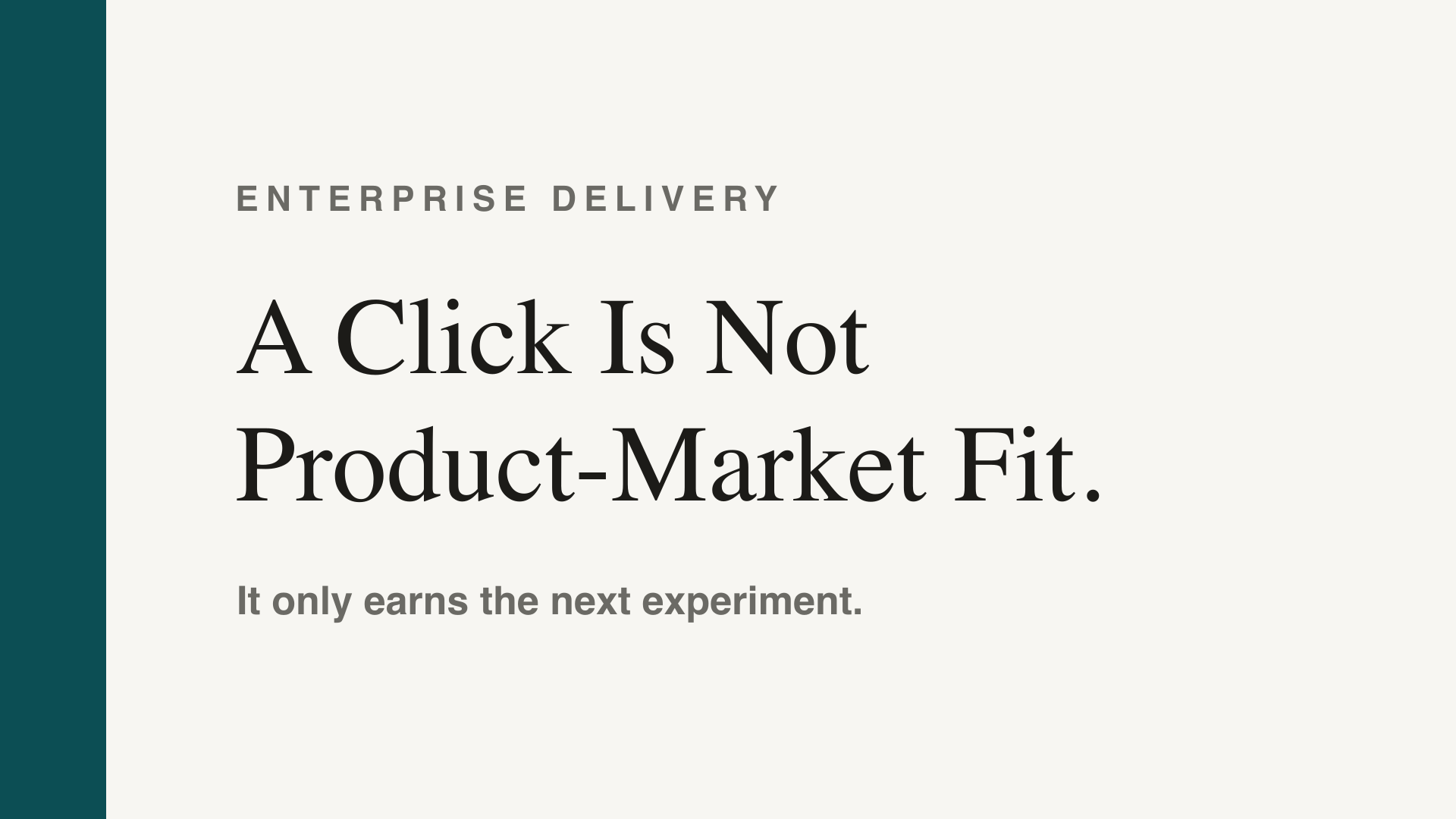
Minimum Idea State: A Practical Way to Test Risky Assumptions
Read the article →: Minimum Idea State: A Practical Way to Test Risky AssumptionsMinimum Idea State tests risky assumptions before an MVP. A practical guide to gathering behavioural evidence without mistaking clicks for validation.
-
Continue reading →: How to Build Products People Love: One Risky Bet
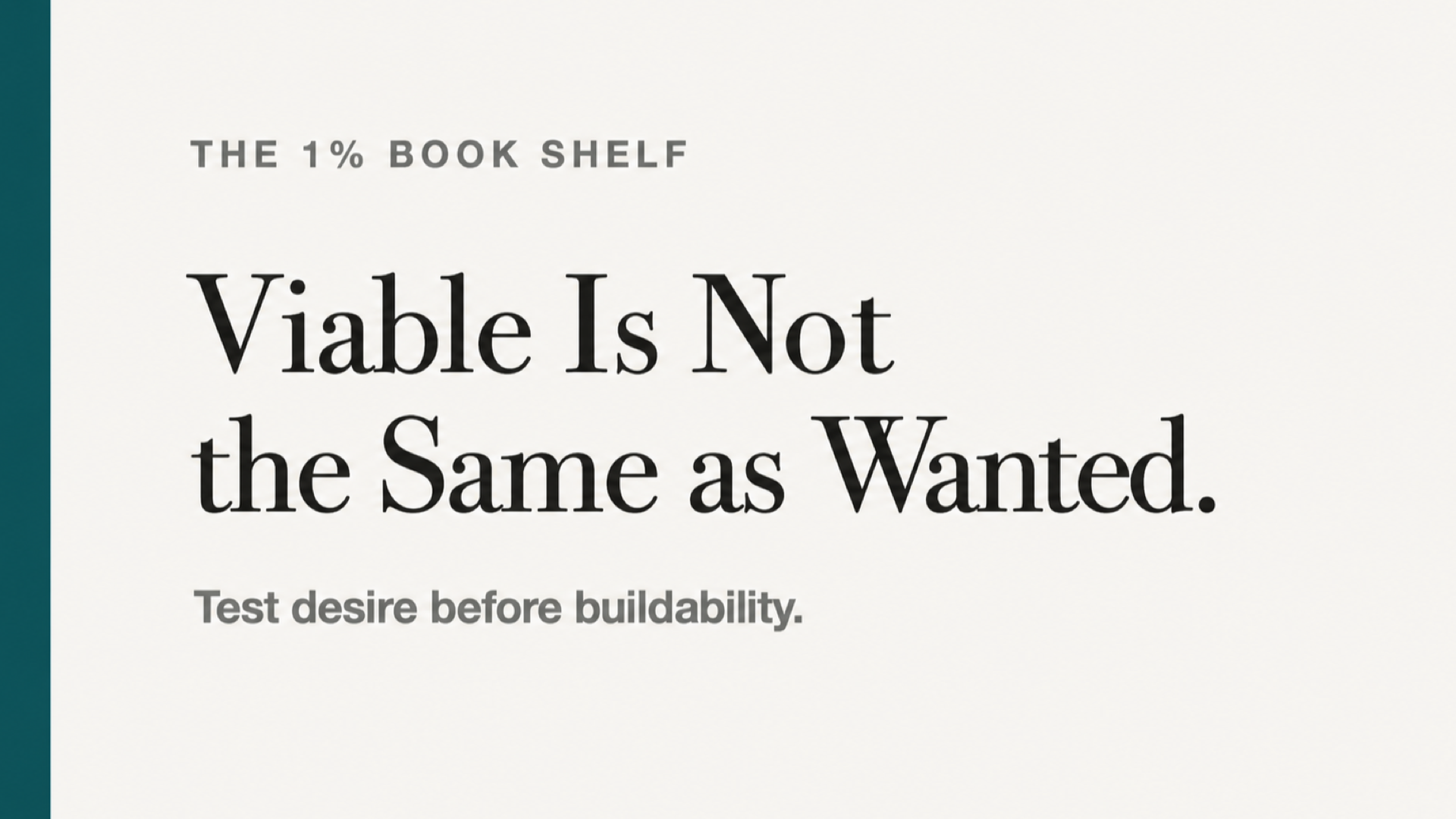
How to Build Products People Love: One Risky Bet
Life at the Speed of Play review: Mark Pincus makes a sharp case for testing desire before buildability, then leaves harder questions about…
-
Continue reading →: Stop Owning People. Start Owning Outcomes
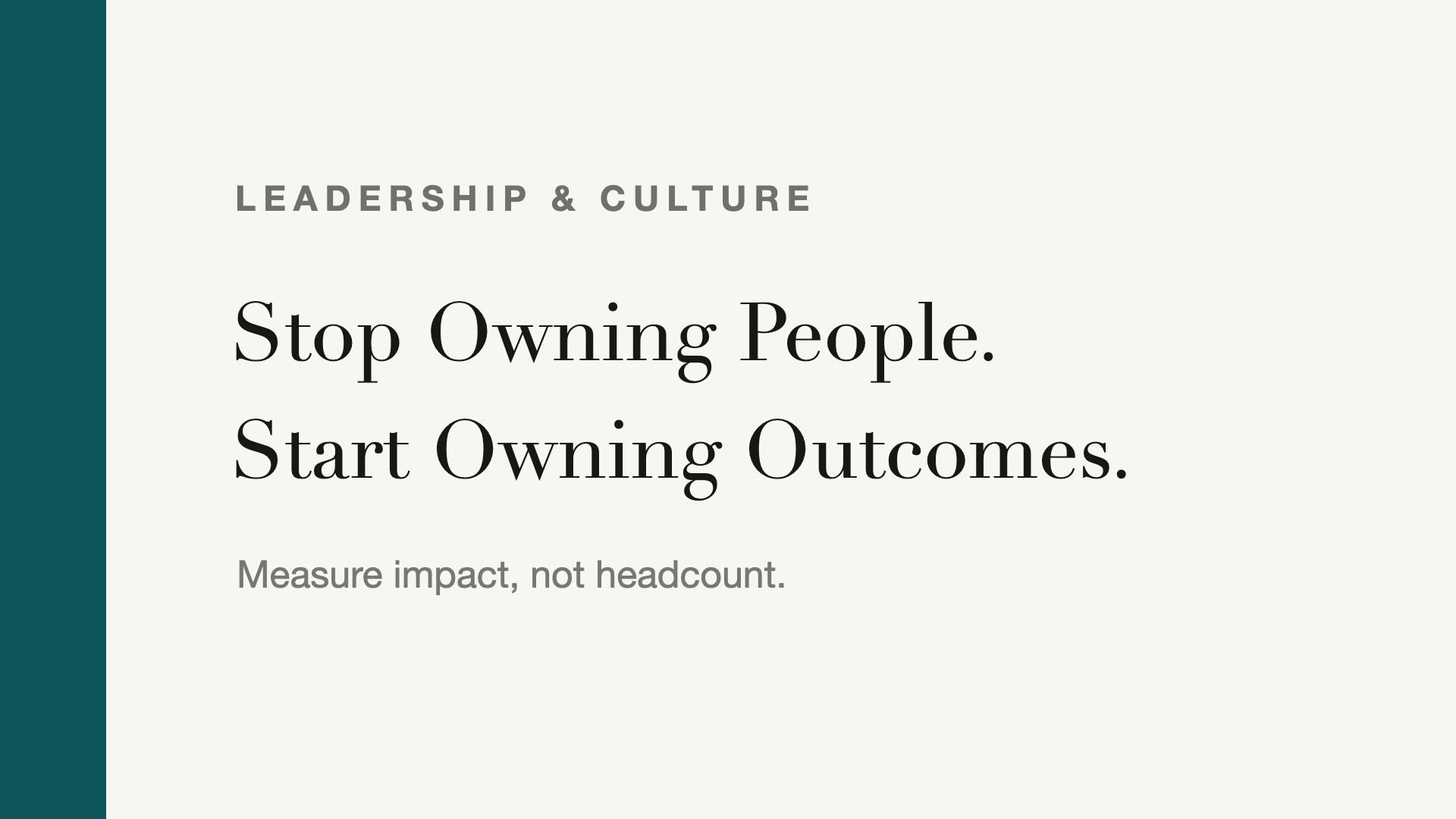
Stop Owning People. Start Owning Outcomes
AI makes smaller teams dramatically more capable. Leadership must now shift from owning headcount to owning end-to-end customer and business outcomes.
More from the notebook
Latest articles
Thoughtful, practical and occasionally uncomfortable.
-
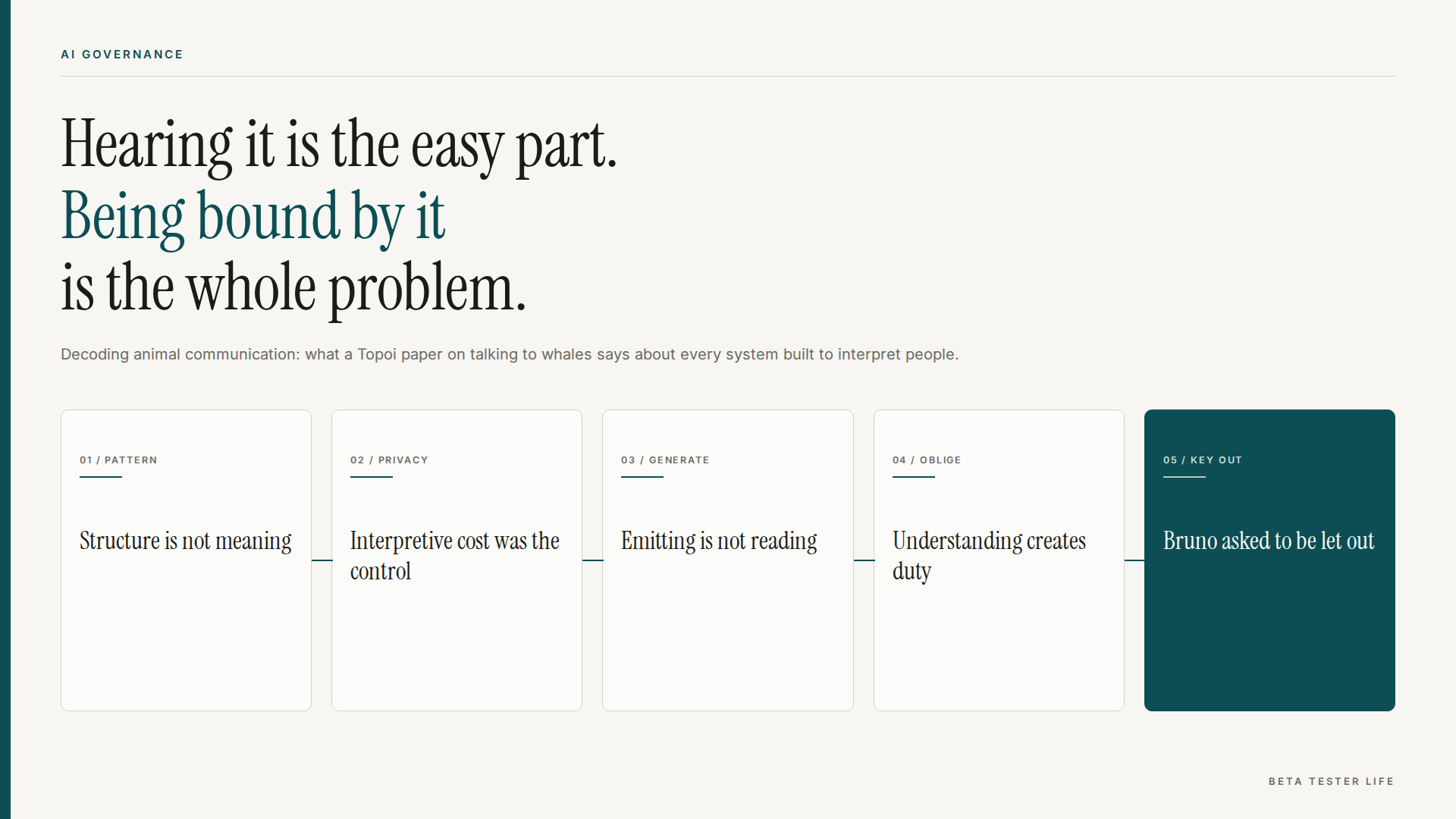
Read →: Decoding Animal Communication: A Better Way to See Hidden Risk
Decoding Animal Communication: A Better Way to See Hidden Risk
Machine learning is being pointed at whale song and ape gesture with real money behind it.…
-
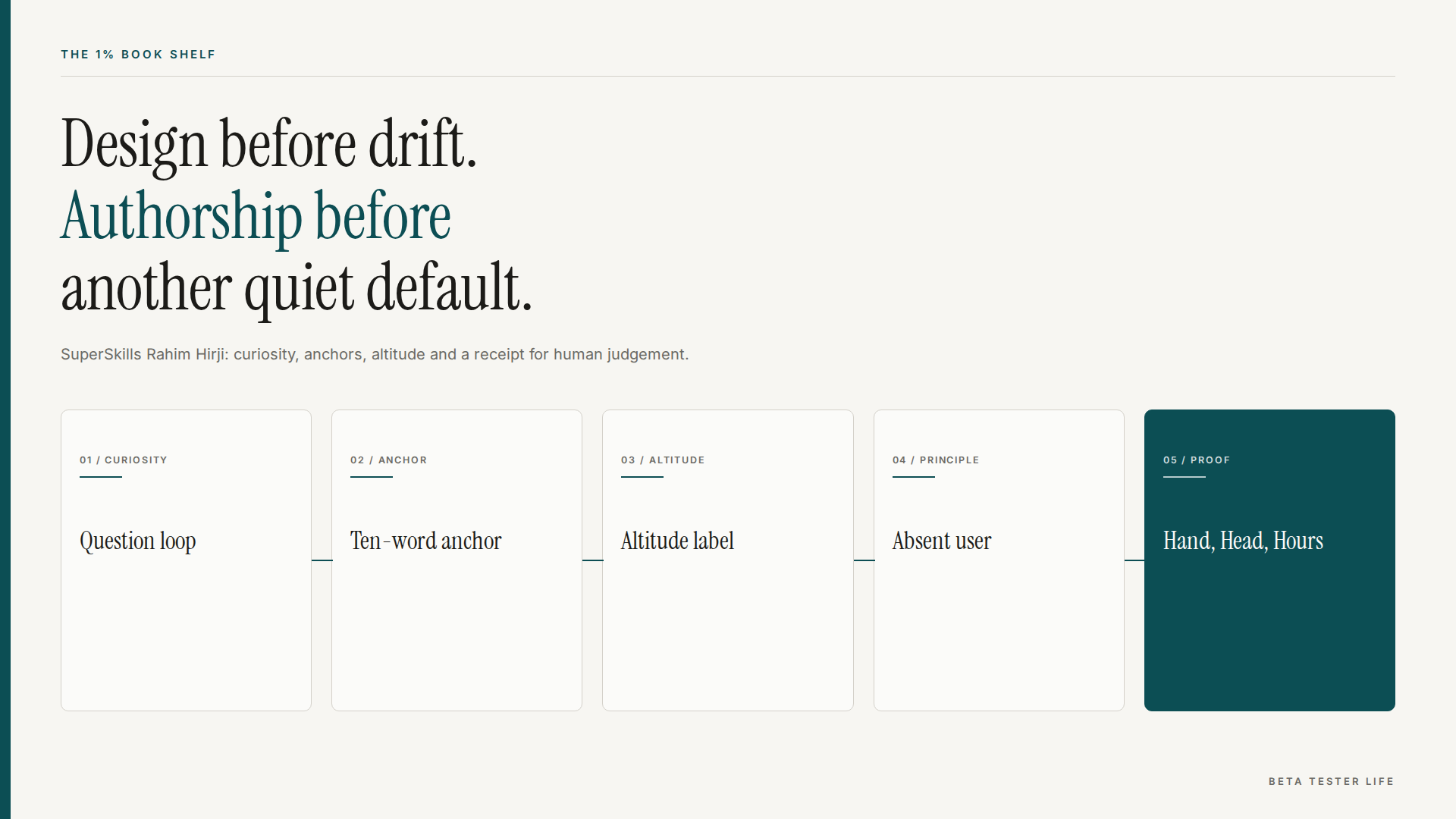
Read →: SuperSkills: The Seven Human Skills for the Age of AI
SuperSkills: The Seven Human Skills for the Age of AI
Rahim Hirji argues that AI creates an agency problem before it creates a technology problem. A…
-
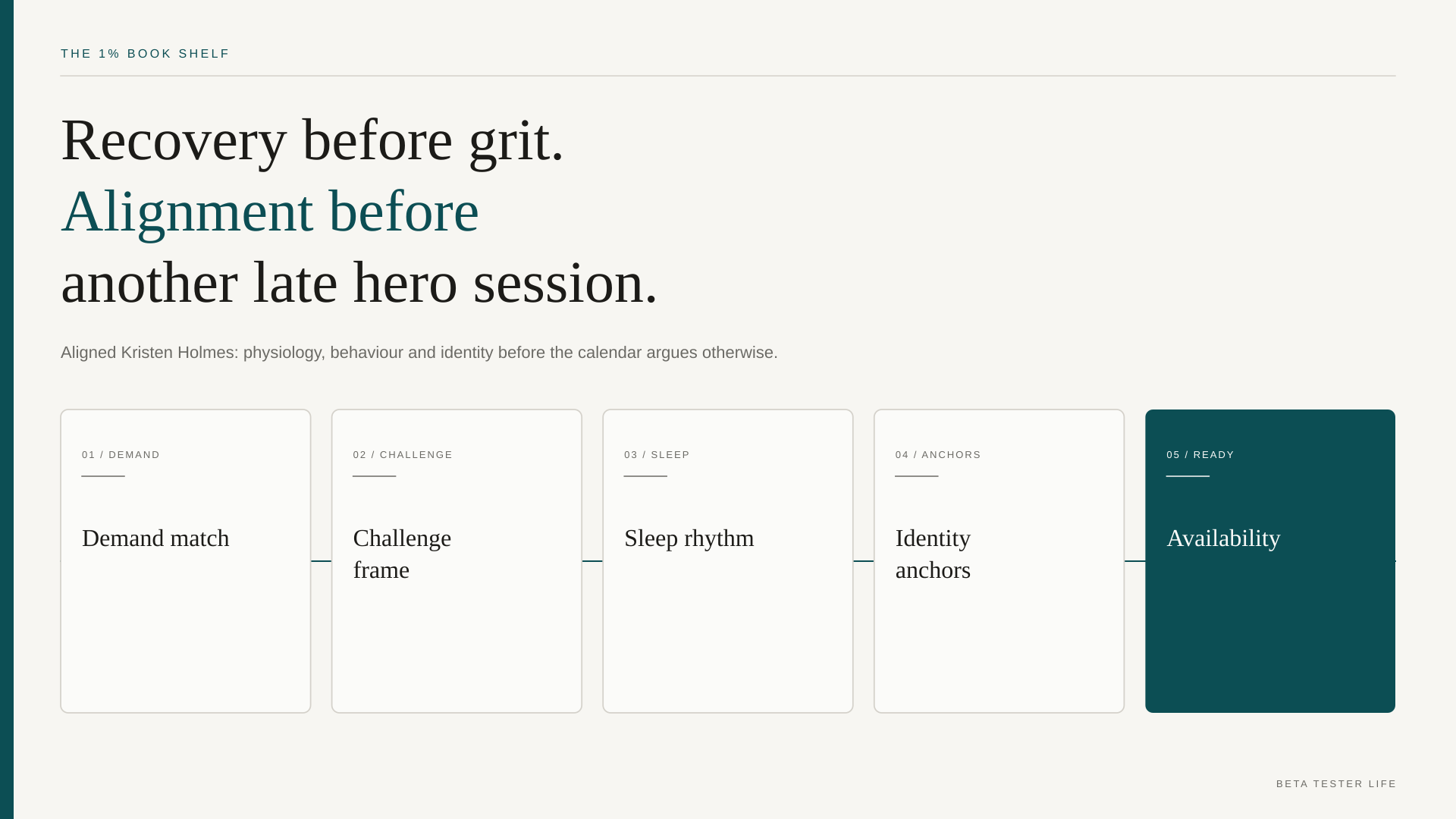
Read →: Aligned: The Data-Driven Guide to Performance, Recovery, and Human Potential
Aligned: The Data-Driven Guide to Performance, Recovery, and Human Potential
Kristen Holmes argues that sustainable performance comes from alignment of physiology, behaviour, and identity, not from…
-
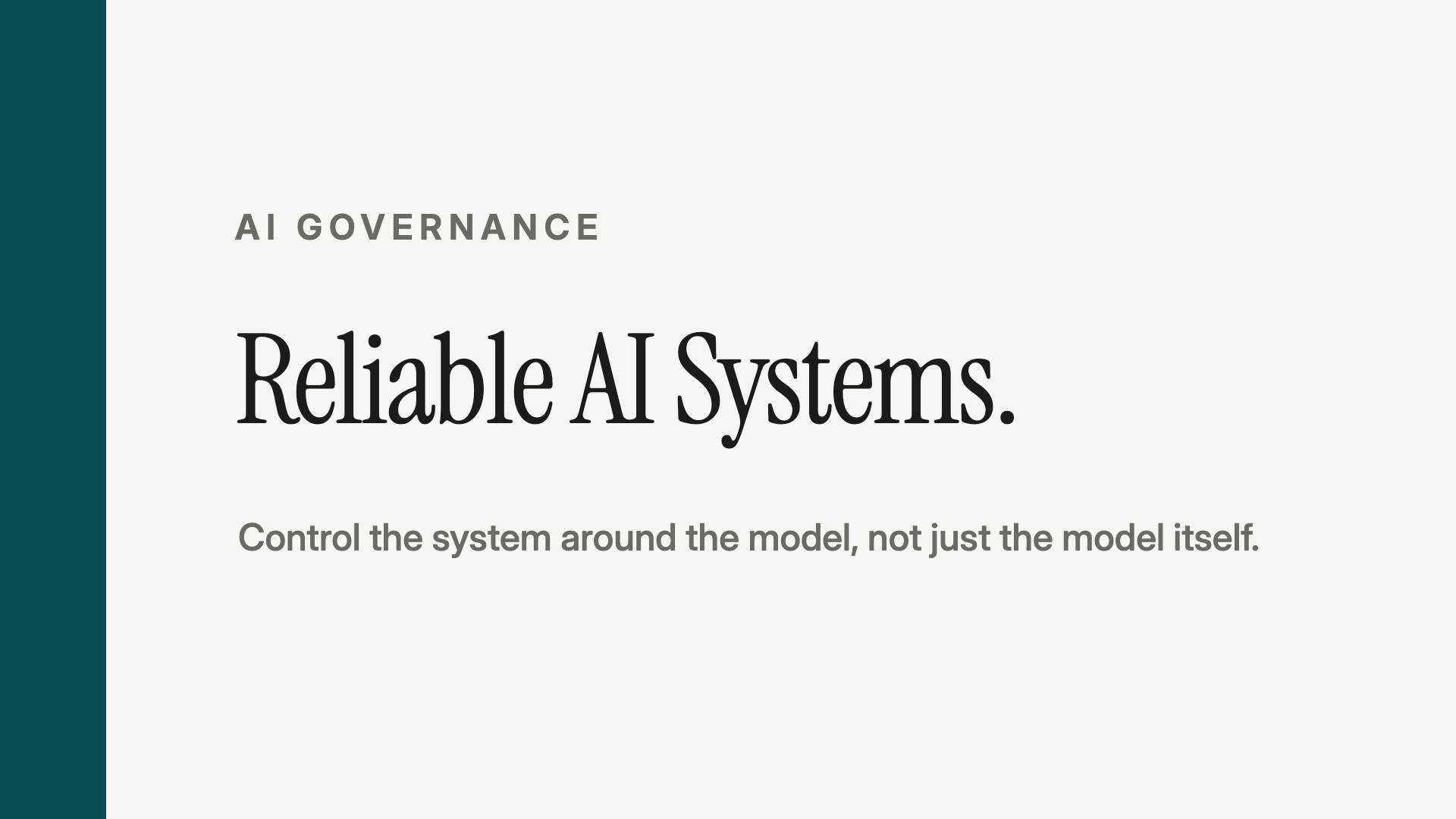
Read →: Reliable AI Systems: A Practical Way to Control Risky Outputs
Reliable AI Systems: A Practical Way to Control Risky Outputs
Reliable AI systems are built around uncertain models. Here is the engineering discipline needed for context,…
-
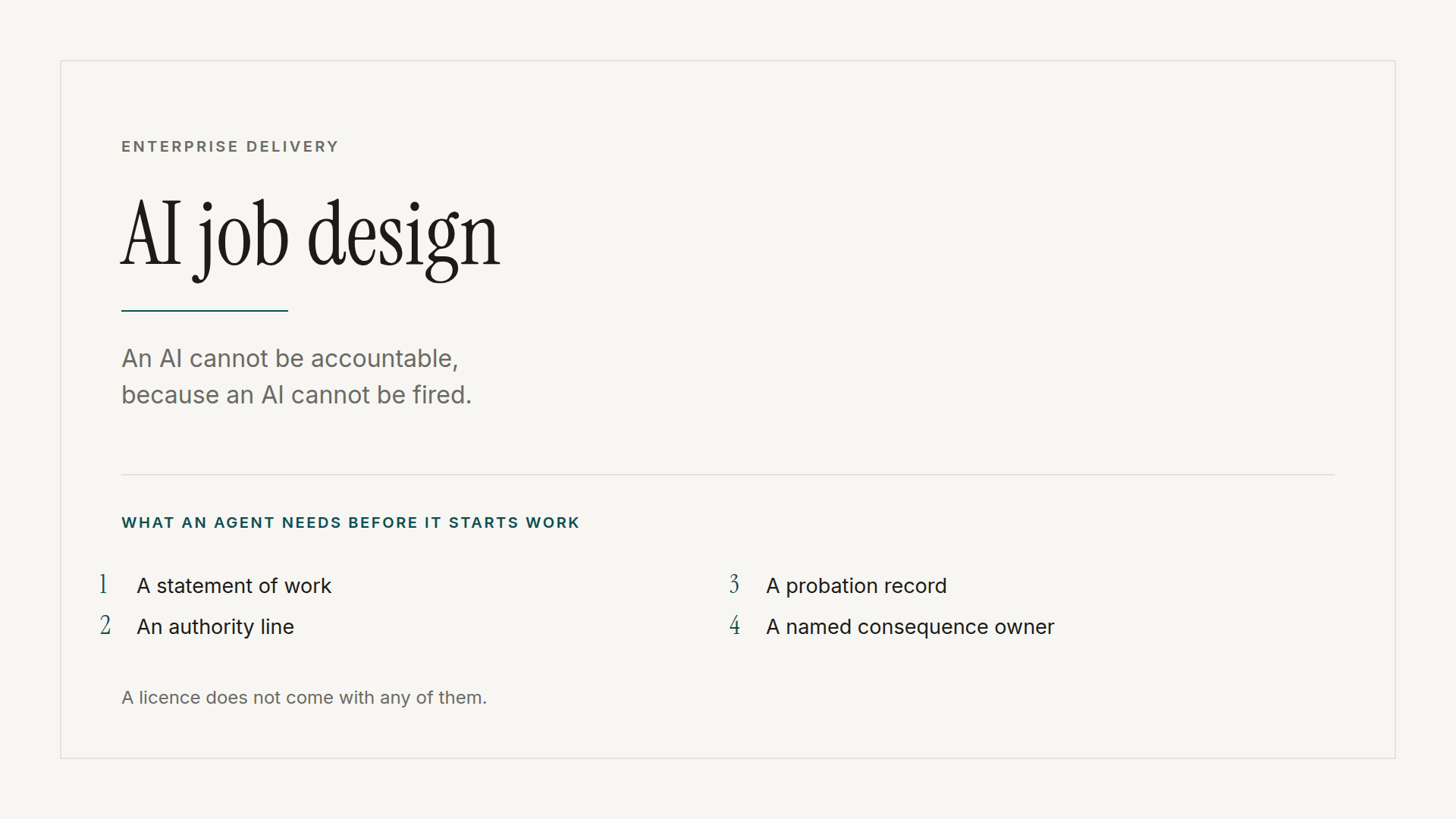
Read →: AI Job Design: How to Make Agents Earn Their Place
AI Job Design: How to Make Agents Earn Their Place
AI job design is the step most enterprises skip: no role, no scope, no decision rights,…
-
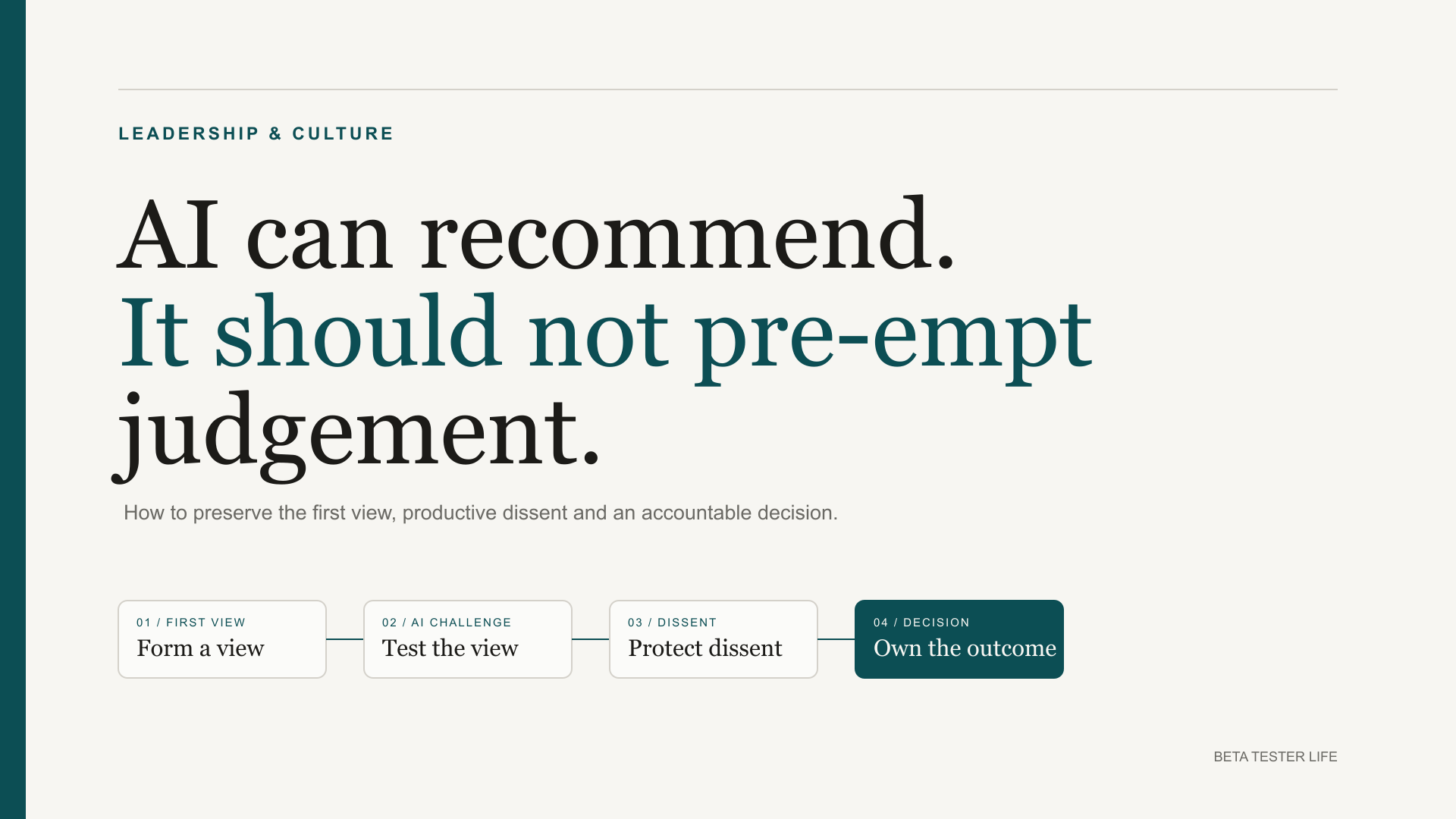
Read →: AI Leadership Judgement: How to Make Better Decisions With AI
AI Leadership Judgement: How to Make Better Decisions With AI
AI leadership judgement needs more than human approval. Use a practical review method and free pack…

A working belief
Technology is never just technical.
Systems succeed or fail through people: what they notice, what they reward, what they avoid and what they are willing to learn.
Experience before theory
Ideas are most useful when they have survived contact with real work.
People before process
Good systems make human judgement easier; they do not pretend to replace it.
Clear thinking over easy answers
Complexity deserves honest questions, careful distinctions and room to change our minds.
What people notice
The work should make sense in the real world.
A few words from people Kevin has coached, taught and supported through complex delivery.
“Kev coached and supported our team to plan and implement a very large and complex modernisation programme with tight timescales and 10 scrum teams. Kev's expertise in Safe Agile was invaluable in helping to pull everything together.”
Steve Butler
CTO / Head of AI Transformation
“Kevin made the material meaningful … always connecting theory to practice. Kevin is very approachable and knowledgeable.”
James Evans
Product Manager
“Kev is not only knowledgeable he's also fully able to support the text with working examples that brings the subject to life.”
Lisa Brown
Advanced SAFe Scrum Master · National Gas
The Notebook · early reader list
One useful idea. No noise.
Occasional notes on AI adoption, leadership, learning, delivery and the human side of change—written to be useful in the work you are doing now.
01One considered note at a time
02Occasional by design
03Practical enough to use
Early reader list
Start with the first issue.
Leave your email and Kevin will contact you when the first issue is ready.
Used only to tell you when The Notebook is ready. No weekly treadmill.