-

·
The CC List Is Not a Control
Copying more people in feels like governance. Most of the time it just spends attention that the next real decision is going to need.
-
·
Stop Fixing Symptoms: A Practical Way to Diagnose Hidden Causes
High-stress teams do not always need another intervention. They need a better diagnosis of the beliefs, vulnerabilities and systems behind recurring friction.
-
·
Stop Owning People. Start Owning Outcomes
AI makes smaller teams dramatically more capable. Leadership must now shift from owning headcount to owning end-to-end customer and business outcomes.
-
·
Difference Isn’t the Landmine. Justification Is.
Difference doesn’t damage teams. The story you build afterwards to justify your reaction to it does — the reframe worth taking from All the Difference.
-
·
Seeing the Full Story Isn’t a Data Problem. It’s an Empathy Problem.
More data rarely tells you who you’re not reaching. Empathy and humility do — and they’re the precondition for the ladder of inference, not an alternative to it.
-
·
The Argument Isn’t About Facts. It’s About the Ladder.
Two people can sit through the same meeting and walk out with completely different conclusions — not because one of them is lying, but because they climbed different ladders to get there.
-
·
Intent Is Not Inspiration. It Is Infrastructure.
The leaders who scale are not the ones who make the most decisions — they are the ones who make their intent clear enough that other people can decide without them.
-
·
AI Coding Assistants May Be Creating the Next Technical Debt Crisis
AI-generated code may improve short-term velocity while quietly increasing long-term maintenance complexity, readability problems, and hidden operational fragility.
-
·
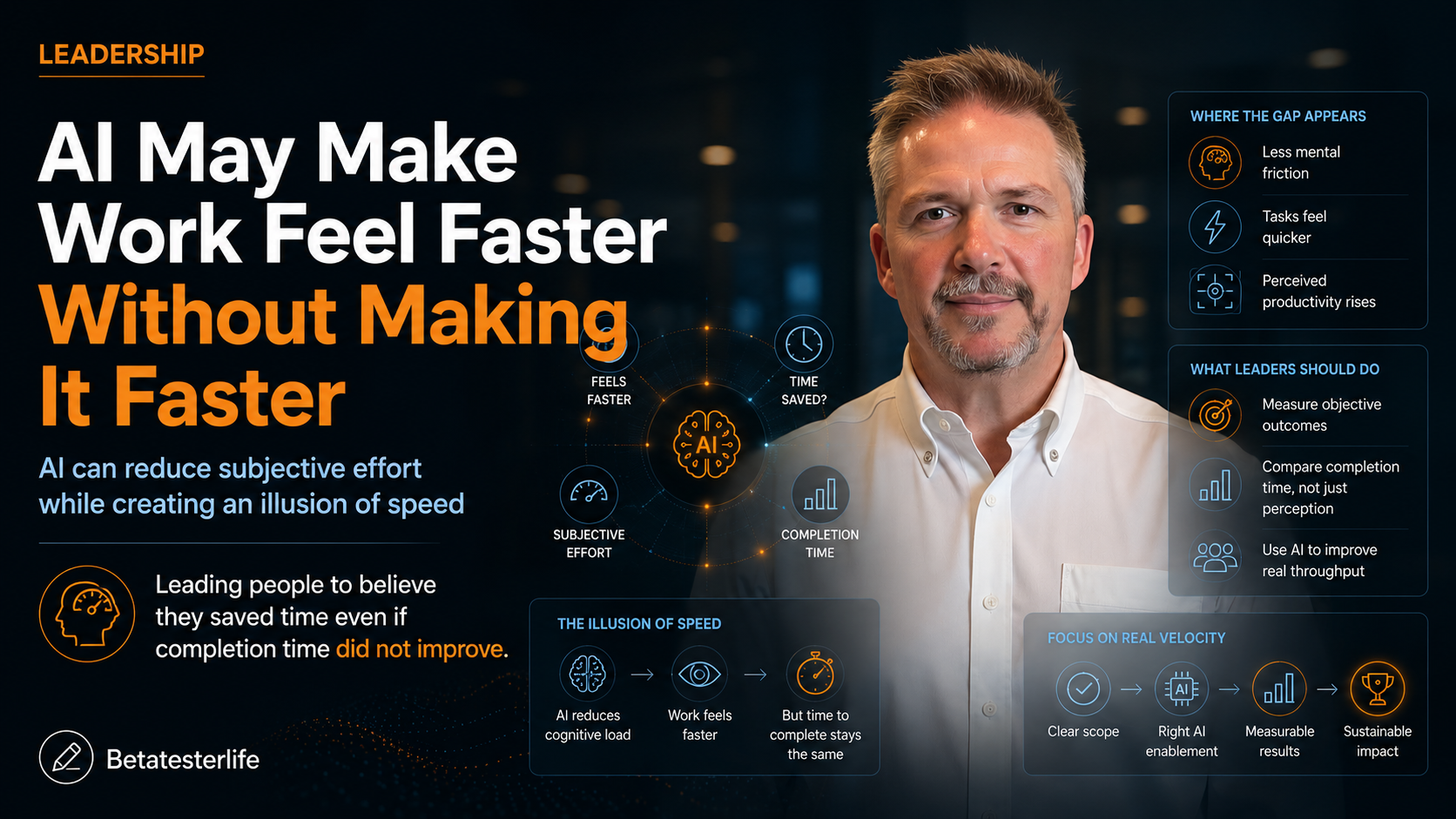
AI May Make Work Feel Faster Without Making It Faster
AI can cut the effort a task takes without cutting the time it takes — and that gap quietly distorts how we judge productivity.
-
·
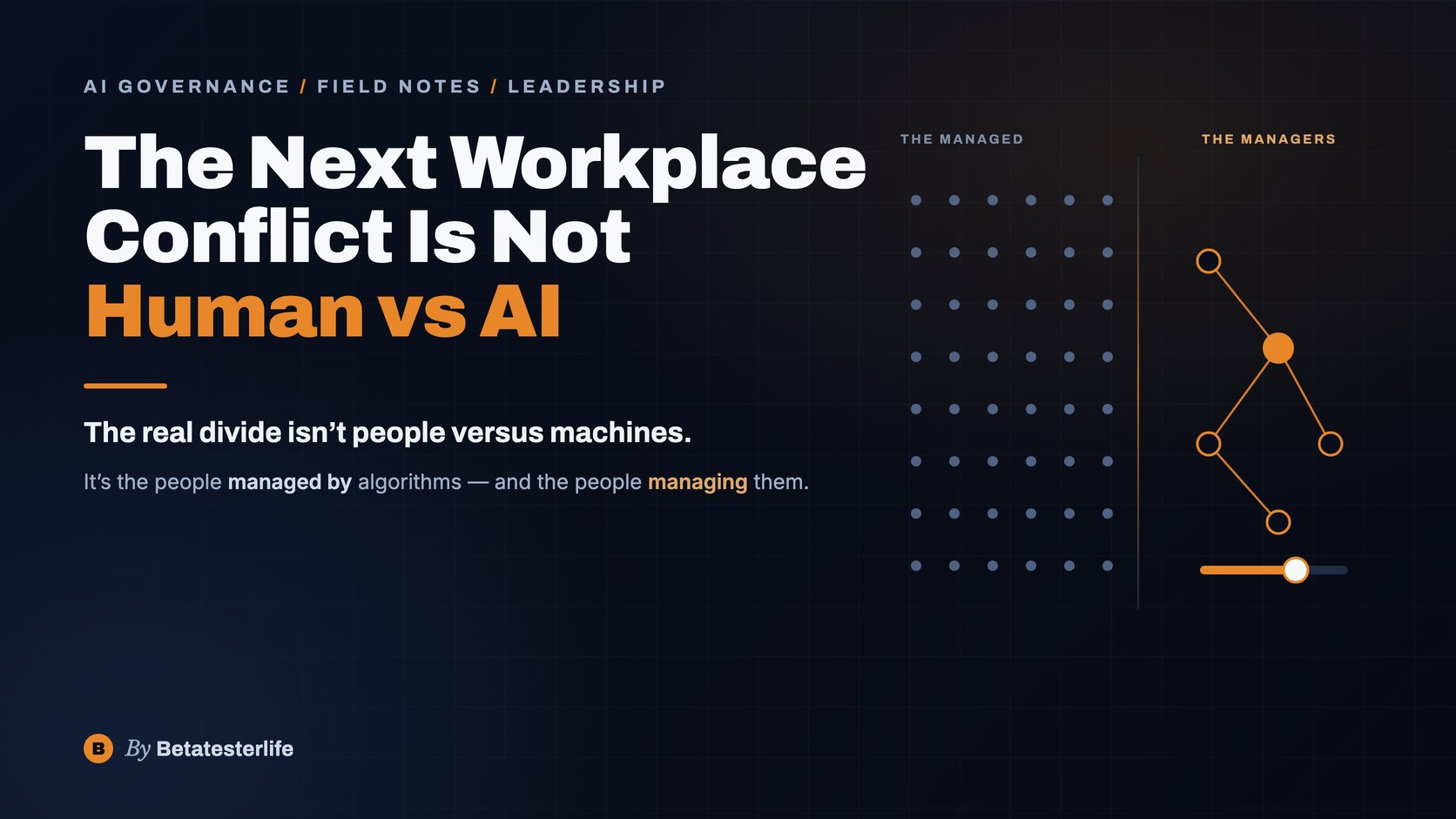
The Next Workplace Conflict Is Not Human vs AI
The real workplace divide forming under AI is not between people and machines. It is between the people who are managed by algorithms and the people who manage them.